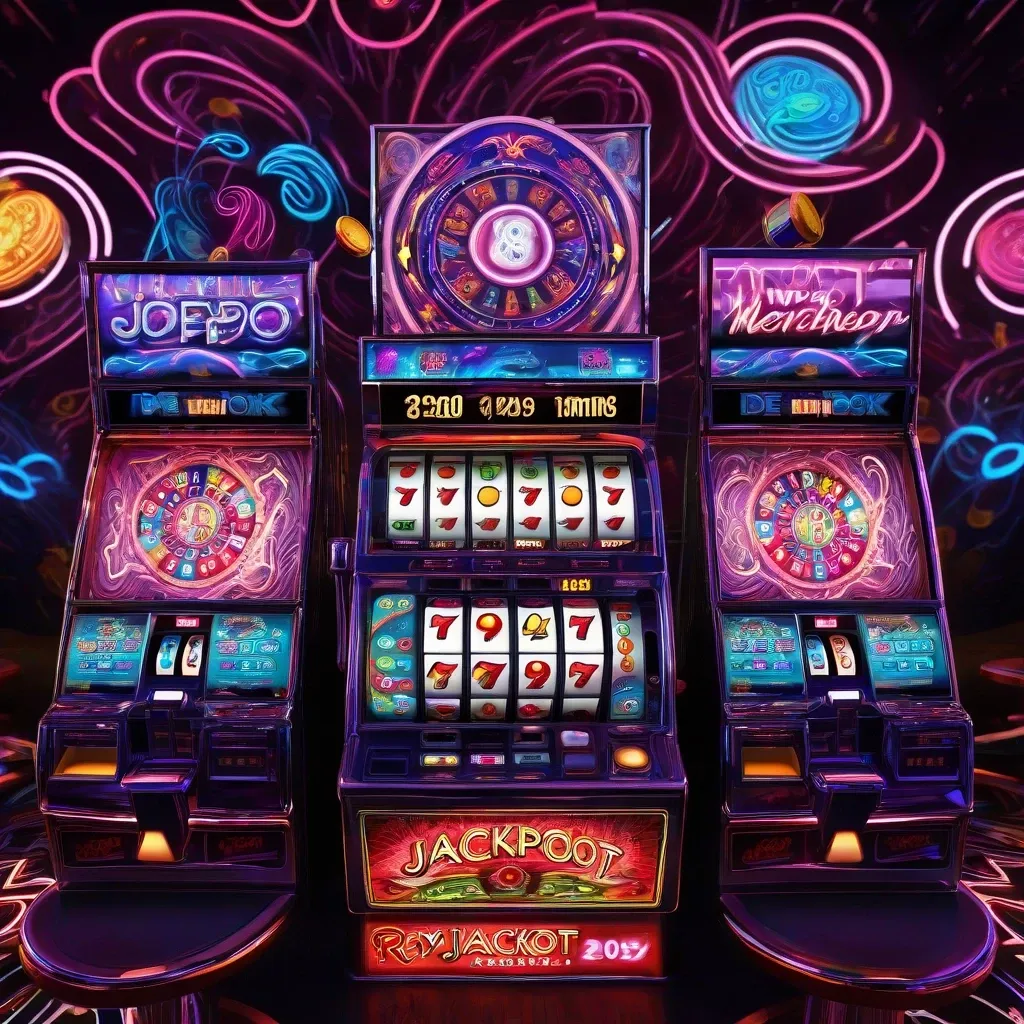
Picture this: a lone ticket, a few numbers lining up, and suddenly, a life transforms. We’ve all heard the stories, maybe even dreamed them – the lottery winner who walked away with millions, the slot machine that paid out a fortune. It’s more than just a number’s game, isn’t it? The allure of the jackpot taps into something far deeper within us, a primal current of desire and hope that fuels our fascination with these life-altering windfalls. This isn’t merely about luck; it’s about the intricate tapestry of the jackpot psychology, the deep-seated human attraction to the idea of instant wealth, and the sheer gambling allure that makes us all pause and wonder, “What if?” Why do these astronomical sums hold such a magnetic, almost irresistible, pull on our imaginations? We’re about to dive into the mesmerizing world of why we chase that ultimate prize, exploring the hidden drivers behind our innate desire for wealth.
The Dream Factor: Beyond the Purely Financial
Let’s talk about the real magic behind those massive lottery jackpots. Sure, the numbers on the screen are dazzling, a dizzying sum that could rearrange your entire existence. But the allure of a ‘dream come true’ goes way deeper than just zeros stacking up. It taps into something primal within us, our fundamental desires for security, for the sweet emancipation of freedom, and for the pure, unadulterated joy of wish fulfillment. It’s less about the currency itself and more about the life that currency unlocks. Think about what ‘financial freedom’ truly means. For some, it’s the quiet hum of knowing bills are covered without a second thought. For others, it’s the ability to ditch the alarm clock for good, to pack a bag and see the world, or to simply alleviate the crushing weight of debt for family members. It’s that glorious pause, that moment where the relentless pressure of ‘making ends meet’ just… vanishes. It’s the sigh of relief you can almost feel just imagining it. This isn’t just about being rich; it’s about escaping the gilded cage of financial worry and stepping into a realm of ‘what ifs’ that suddenly feel like ‘what will bes’. It’s aspirational psychology in its purest, most thrilling form, a potent mix of hope and the promise of an immediate ‘escape from reality’.
The Promise of Financial Security and Freedom
The specter of financial insecurity is a heavy cloak, weighing down minds and limiting horizons. It’s the constant gnawing worry about bills, unexpected expenses, and the persistent feeling of being on a treadmill that never stops. A jackpot offers the ultimate antidote: a definitive end to that worry, a clean slate. It’s the promise of ‘debt-free’ living, of true ‘economic independence’. Imagine the sheer ‘stress relief’ that comes with knowing there’s no longer a need to juggle finances, to cut corners, or to deny basic needs. This isn’t just a financial transaction; it’s a psychological liberation, an immediate empowerment that floods the imagination at the mere thought of winning.
Wish Fulfillment and Unbounded Possibilities
Beyond mere security, a jackpot blasts open the gates of ‘wish fulfillment’. It ignites those “what if” scenarios that flicker in the back of our minds. What if you could instantly buy that dream home? What if you could travel the globe without a budget? What if you could finally start that passion project you’ve always put off? These are the ‘unlimited possibilities’ that a jackpot unlocks, transforming fleeting daydreams into tangible aspirations. This potent mental exercise, the vivid imagining of a life finally aligned with our deepest ‘life aspirations’, acts as a powerful motivator, a shimmering beacon of hope. It’s a stark contrast to the often mundane limitations of everyday life, a tantalizing glimpse into a reality where ‘fantasy’ is only limited by the scope of our desires.
Psychological Hooks: The Unseen Architects of Attraction
Ever wonder why that spinning jackpot reel feels so magnetic? It’s not some cosmic accident; it’s pure, unadulterated psychology at play. The irresistible pull of chasing a jackpot isn’t just about the potential riches; it’s deeply rooted in how our brains are wired. We’re talking about powerful psychological triggers that operate just below the surface, nudging us to keep playing, to keep hoping. Think of it as a finely tuned machine, expertly crafted to tap into our innate desire for reward and the exhilarating rush that comes with it. This isn’t random; it’s science, designed to keep us hooked into that thrilling, unpredictable pursuit. The allure is deliberate, built on principles that have been understood and leveraged for ages, creating a potent cocktail of anticipation and reward that’s hard to resist. It’s like a master storyteller, always promising the next incredible chapter, and our brains just can’t help but turn the page. This creates a fascinating feedback loop, a persistent cycle of hope and potential payoff that fuels the entire experience and keeps us coming back for more, chasing that ever-elusive big win.
The Power of Variable Reinforcement
At the heart of the jackpot chase lies the potent magic of variable reinforcement. Think about it: if you knew exactly when you were going to get a reward, would it have the same punch? Probably not. This is the essence of variable rewards, a cornerstone of operant conditioning. Our brains are wired to pay extra attention when rewards are unpredictable. It’s that “maybe this time” feeling, the intermittent payoff that keeps us coming back. It’s like the delightful ping of a social media notification – you never know what you’re going to get, but the potential for something good keeps you checking. Or imagine hunting for lost treasures; each dig, each turn of the shovel, brings a flicker of hope, a chance of unearthing something amazing. This unpredictable reward schedule is incredibly effective at habit formation, creating a strong drive to repeat the behavior, all fueled by that tantalizing uncertainty. It’s this very unpredictability that keeps the engagement going, as the hope of the next win is always just around the corner, making it hard to walk away.
Anticipation and Excitement: The Thrill of the ‘Maybe’
But it’s not just about the win itself; it’s the electrifying journey leading up to it. The anticipation is a huge part of the psychological allure, a potent cocktail of excitement and pure, unadulterated hope. Consider the spinning reels on a slot machine, the symbols inching closer and closer, the dramatic music swelling. This build-up is a masterclass in suspense. It’s the moment where the dream of a jackpot feels almost tangible, a fleeting possibility that sends a jolt of adrenaline through you. It’s the thrilling uncertainty, the ‘what if?’, that truly captures the imagination and gears up your senses. This intense period of waiting, of observing the potential outcome draw nearer, creates a powerful emotional response, a heightened state of awareness where the possibility of a massive reward hangs tantalizingly in the air. It’s this dynamic interplay of sight, sound, and the promise of a huge win that makes the entire experience so utterly captivating and almost hypnotic.

The Social Contagion: How Others Influence Our Play
It’s a wild ride, isn’t it? The allure of the jackpot isn’t just about the money itself; it’s contagiously fueled by the people around us. Think about it. When your friend excitedly tells you they hit a small win, or you see a news report about someone striking it rich, it sparks something. This isn’t just innocent eavesdropping; it’s the potent force of social proof kicking in. The visibility of others’ good fortune, whether it’s a neighbor bragging or a dazzling casino display showcasing a winner, creates this undeniable ripple effect. Suddenly, the abstract possibility of winning feels a lot more tangible. It whispers, “Hey, if they can do it, maybe I can too!” This collective optimism, this shared hope, becomes a powerful magnet, drawing more and more people into the exciting, albeit often statistically improbable, pursuit of the life-changing prize. It’s a human thing, this need to see and believe, and it plays a massive role in why jackpots keep grabbing our attention.
Social Proof and the “Someone Has to Win” Fallacy
Let’s get a little psychological here. Social proof is that unwritten rule our brains follow: if a lot of other people are doing something, it must be the right thing to do, or at least worth checking out. Casinos are brilliant at leveraging this. When they splash photos of winners across their websites and floors, they’re essentially shouting, “See? It happens!” This relentless parade of successful players feeds into a powerful, yet often misleading, belief – the “someone has to win” fallacy. We know the odds are astronomical, but our brains fixate on the visible evidence of winners, creating a collective narrative of hope. This herd mentality, fueled by availability bias (we easily recall the winners, not the millions who didn’t win), makes the dream feel closer than it is, simplifying complex probabilities into a simple equation of shared desire.
Media Portrayals and Cultural Narratives
Then there’s Hollywood and the evening news. They’re masters at crafting the ultimate Cinderella story: the unsuspecting person who becomes an instant millionaire. These romanticized wins, splashed across our screens in movies and headlines, paint a vivid, often highly exaggerated, picture of what hitting a jackpot means – think champagne, yachts, and an end to all worries. This pervasive cultural narrative of overnight success normalizes the pursuit of such massive windfalls. It shifts the focus from the immense odds to the exhilarating possibility, making participation feel less like a gamble and more like a legitimate, albeit exciting, path to a dream life. This constant media bombardment normalizes and, frankly, encourages us to believe that this fantasy could, just maybe, be our reality too.
Design Deception: How Games Are Engineered to Entice
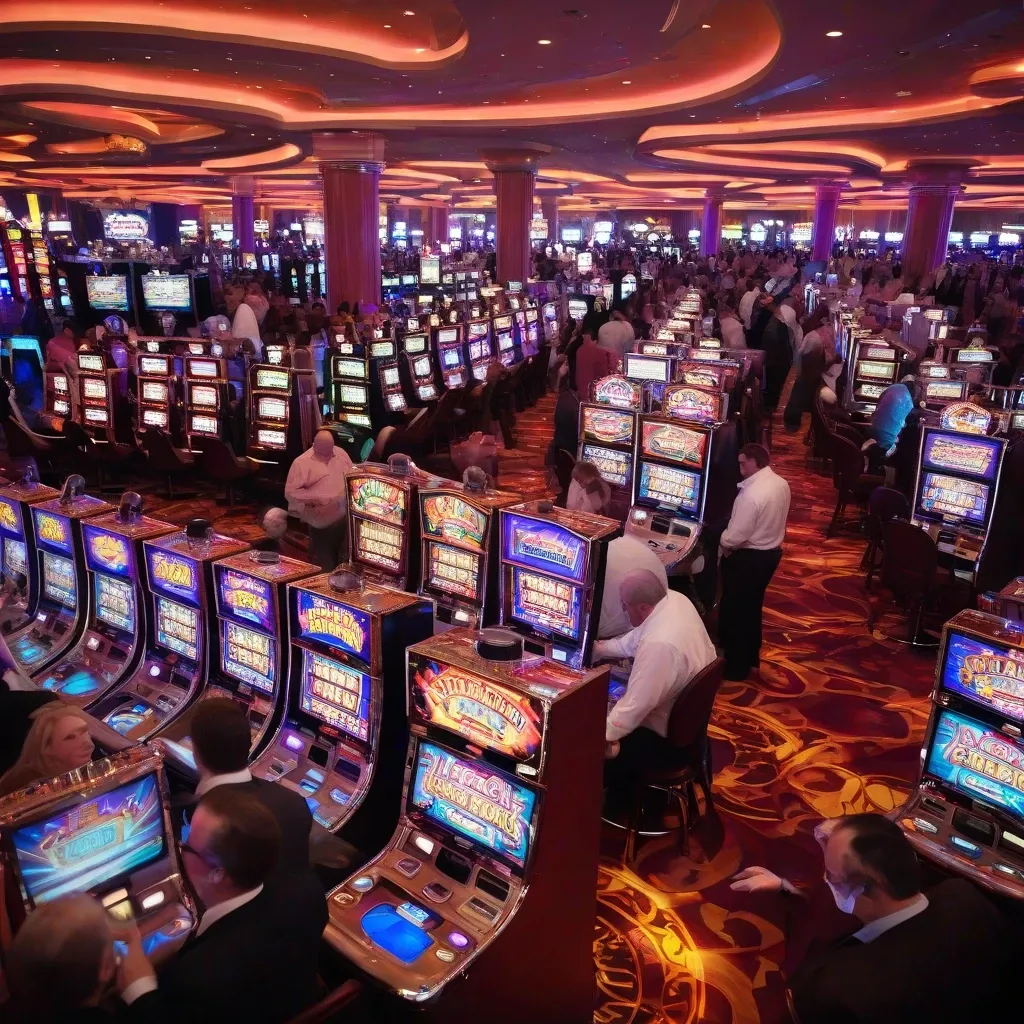
It’s not just luck or a roll of the dice; slot machine design is a carefully orchestrated symphony of psychological manipulation, built to pull you in and keep you hooked. Every flicker, every jingle, every spin is a calculated move in a game designed to amplify the allure of that elusive jackpot. Think of it as a masterclass in user experience, but with a twist – this experience is engineered to capitalize on our innate desires and cognitive biases. The vibrant colors aren’t just pretty; they’re strategically chosen to grab your attention. The flashing lights aren’t mere decoration; they signal near misses and wins, creating a dopamine hit even when the outcome isn’t a true win. The rhythmic sounds, the anticipation of the reels slowing, the triumphant fanfare when you hit something – these are all deliberate tools. They work in concert to build a sense of excitement, to foster a belief that the next spin could be the big one, and to make the entire experience feel intensely engaging, blurring the lines between the thrill of play and the reality of the odds.
The Symphony of Sensory Stimulation
Prepare your senses for an onslaught. The visual design of these games is a dazzling kaleidoscope of vibrant hues, animated symbols that dance and shimmer, and dynamic light shows that pulse with energy. It’s all about immediate gratification and capturing attention. And then there’s the sound design. That iconic ‘chu-ching’ of a minor win, the escalating tension in the soundtrack as reels spin, and the earth-shattering, triumphant music that erupts when a jackpot is hit – these aren’t accidental. They are carefully crafted to create an immersive soundscape that heightens excitement. This sensory overload works wonders, often masking the sting of losses and amplifying the perceived thrill of potential wins, making each session feel like an electrifying adventure.
The Illusion of Control and Player Agency
Ever found yourself hitting that ‘stop’ button on the reels, willing them to land just right? That, my friend, is a prime example of the illusion of control. While the outcome of each spin is dictated by a virtually unbreakable random number generator, game designers embed features that grant players a sense of agency. The ability to choose a bet amount, select paylines, or even the simple act of pressing ‘spin’ or ‘stop’ makes players feel actively involved, like they’re making meaningful decisions rather than passively observing. This psychological trick creates a deeper investment in the game. It fosters a feeling of participation, making it harder to disengage and contributing to decision fatigue as players get caught in the cycle of trying to ‘influence’ the outcome, making them less likely to simply walk away.
The “Almost” Effect: Near Misses and the Illusion of Proximity
Ever felt that jolt of anticipation, only for the third winning symbol to inch past the payline? That, my friends, is the masterful design of the ‘near miss’. On a slot machine, it’s that tantalizing display of two matching jackpot symbols perfectly aligned, with the third just a hair’s breadth away. It’s not accidental; it’s a calculated maneuver in the grand game of encouraging more play. This visual trickery taps directly into our psychology, whispering the seductive notion that a win isn’t just possible, it’s practicallyimminent*. This feeling of being so close, so tantalizingly on the cusp of a big payout, is a powerful hook. Instead of leading to discouragement, this perceived nearness often sparks a renewed determination, a stubborn belief that the next spin is the one that will break the dam and unleash the jackpot. It’s a tiny, potent illusion that keeps the reels spinning and the hope alive, making sure you don’t walk away from that machine just yet.
The Near-Miss as a Psychological Trigger
This isn’t just about seeing symbols. A near-miss event acts as a potent psychological trigger, sending signals that can be surprisingly potent. It’s not unlike a mini-reward. When you experience a near-miss, your brain can mimic the sensation of a partial win. This sparks a tiny, yet significant, surge in the brain’s reward pathway, particularly involving dopamine. This release of neurotransmitters is what reinforces behavior. So, even though you didn’t win, the sensation is similar enough to an actual win to make you feel a sense of progress and encourage you to continue. It’s a powerful, albeit misleading, signal that keeps you engaged and psychologically invested, blurring the lines between a genuine win and a near-miss almost to the point of indistinguishable excitement.
Creating the Illusion of Proximity
Let’s be crystal clear: the odds on a slot machine don’t magically shift because you had a near-miss. The probability of hitting a winning combination remains exactly the same on every single spin, regardless of what happened a second before. However, near-misses are expertly crafted to generate the persistent illusion of proximity. They serve as false signals, constantly reminding you that the jackpot is within reach, just a spin or two away. These ‘almost wins’ are potent drivers of persistence, making players believe that their luck is about to turn. It’s a clever design choice, a subtle manipulation that plays on our natural desire for reward and our tendency to overestimate our chances when we feel we’re on the verge of success. This illusion is a cornerstone of keeping players at the machine, chasing that ever-so-close win.
The Progressive Jackpot Phenomenon: Bigger is Better
There’s something about a number that just keeps climbing, isn’t there? That’s the magic of the progressive jackpot. Unlike a fixed prize, this is a pool of money that grows and grows, often reaching truly mind-boggling figures. Every time someone plays a qualifying game, a small portion of their bet gets added to the pot, fueling this constant climb. It’s a snowball effect of wealth, a visual representation of escalating dreams. This growing prize becomes more than just money; it transforms into a tangible, shimmering possibility that seizes the imagination, pushing aside any lingering thoughts about the astronomical odds. The sheer scale of the numbers creates an almost magnetic pull, a relentless escalation of desire that’s hard to resist.
The ‘Anchor’ Effect of Gigantic Sums
Ever noticed how a huge lottery jackpot makes buying a ticket feel like a bargain? This is the cognitive anchor at play, a psychological quirk where an initial piece of information, no matter how outlandish, influences subsequent decisions. That $10 million prize isn’t just a number; it’s an enormous cognitive anchor. Suddenly, spending $5 on a ticket feels almost insignificant, a pocket change investment. The anchoring bias dramatically alters our value perception. The ticket price isn’t being compared to the actual odds of winning, but to the colossal sum, reframing the entire transaction with an enticing investment framing.
The Sense of Urgency: A Limited-Time Opportunity
As the progressive jackpot swells, so does a potent cocktail of excitement and anxiety. It ignites a powerful case of fear of missing out, or FOMO. This isn’t just about a large sum; it’s about a rapidly appreciating opportunity. The thought process often becomes: “It’s this big now, but what if it gets even bigger? I need to play now before someone else snatches it.” This creates a compelling sense of urgency, transforming a casual game into a race against time. The limited opportunity feels fleeting, pushing players to act quickly, lest the dream ticket be claimed by another lucky soul while they hesitated.
The Dark Side: Understanding the Risks and Responsible Play
While the thrill of a potential jackpot can be incredibly enticing, it’s crucial to acknowledge the darker undercurrents lurking beneath the surface of this dazzling world. The very mechanics that make slot machines and casino games so captivating can, for some, morph into a genuine struggle. It’s not just about luck; it’s about understanding the psychological hooks and the potential for problem gambling. The allure of the win can blind individuals to the mounting costs, and it’s here that the importance of risk awareness and responsible play truly comes to the forefront. Failing to recognize these dangers can lead to the exploitation of vulnerabilities, turning a form of entertainment into a significant personal crisis. A comprehensive view demands we shine a light on these shadows.
When the Dream Becomes a Trap
That tantalizing near-miss or the dizzying cascade of wins, designed to keep you hooked, can unexpectedly transform the dream into a trap. The powerful psychological drivers behind the attraction – variable rewards and the illusion of control – can easily propel individuals into a cycle of chasing losses. When the initial excitement fades and losses accumulate, the urge to recoup them can lead to problematic behaviour, a relentless pursuit that signifies escalation. This isn’t just playing the game; it’s being caught in ‘the game within the game,’ where the stakes become personal and increasingly difficult to manage.
Awareness as the First Line of Defense
From an expert perspective, understanding the psychology behind the allure is indeed your most potent shield. Developing strong self-awareness is paramount; recognizing the emotional triggers and the genuine thrill versus a desperate need is key to informed decision-making. Approach these games with a healthy, entertainment-first mindset. This means actively setting limits – both in terms of time and money – and sticking to them religiously. Prioritizing gambling education about the odds and the entertainment value, rather than the outcome, is a cornerstone of responsible engagement. Knowledge truly is power in navigating the dazzling, yet potentially treacherous, landscape of chance.
Embracing the Allure with Wisdom
So, we’ve unpacked the undeniable pull of the jackpot, haven’t we? It’s a potent cocktail, a blend of the age-old dream of instant fortune, the fascinating dance of our own psychology, the subtle hum of social influence, and the sheer brilliance of game design that keeps us on the edge of our seats. This isn’t just about luck; it’s about the intricate tapestry of human desire and how it’s expertly woven into an irresistible experience. Now that you’ve delved into the mechanics of this attraction, it’s time to embrace the allure with a newfound sense of jackpot mastery. Think of yourself as an informed player, truly appreciating the entertainment value for what it is – a thrilling spectacle. This psychology recap isn’t about demystifying the magic, but about empowering you. Understand the game, enjoy the thrill, and most importantly, stay in control. You’re now privy to the inner workings, ready to navigate this captivating world with wisdom and a knowing smile.